
Alarm monitoring is a vital component of modern security systems, providing continuous protection for residential and commercial properties. While alarms can alert occupants to potential threats, monitored alarm systems go a step further by ensuring that alerts are received and acted upon, even when no one is on-site. With 24/7 surveillance and rapid response capabilities, alarm monitoring delivers peace of mind and enhanced safety.
This article explains what alarm monitoring is, how it works, its key benefits, monitoring types, and why it’s essential for comprehensive security.
What Is Alarm Monitoring?
Alarm monitoring is a security service that continuously supervises alarm systems and responds to alerts triggered by events such as intrusions, fire, smoke, or system malfunctions. When an alarm is activated, the monitoring center receives a signal and takes immediate action based on predefined protocols.
These actions may include contacting property owners, notifying emergency services, or dispatching security personnel. Alarm monitoring ensures that threats are addressed promptly, even when occupants are asleep, away, or unable to respond.
How Alarm Monitoring Works
Alarm monitoring systems connect sensors, control panels, and communication devices to a professional monitoring center. When a sensor detects unusual activity, the alarm panel sends a signal via landline, cellular, or internet connection.
The monitoring center then:
Verifies the alert
Contacts the property owner or keyholders
Notifies emergency services if required
Records the incident for reporting
This process helps minimize false alarms while ensuring real threats receive immediate attention.
Benefits of Alarm Monitoring
24/7 Protection
Alarm monitoring operates around the clock, providing constant supervision and fast response at any time of day or night.
Rapid Emergency Response
Professionally monitored alarms reduce response times by quickly alerting emergency services when necessary.
Enhanced Security Awareness
Security monitoring centers track alarm activity and system health, identifying issues before they become serious problems.
Peace of Mind
Knowing that your property is monitored even when you are away offers reassurance and confidence.
Insurance Benefits
Many insurance providers offer discounts for properties with professionally monitored alarm systems.
Types of Alarm Monitoring Services
Intrusion Alarm Monitoring
Detects unauthorized entry through doors, windows, or motion sensors and alerts monitoring centers instantly.
Fire and Smoke Alarm Monitoring
Security monitoring smoke detectors, heat sensors, and fire alarms to ensure immediate emergency response.
Environmental Monitoring
Protects against hazards such as carbon monoxide, flooding, or extreme temperature changes.
Video Alarm Monitoring
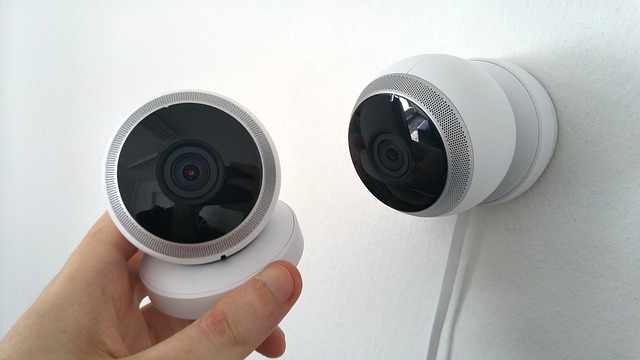
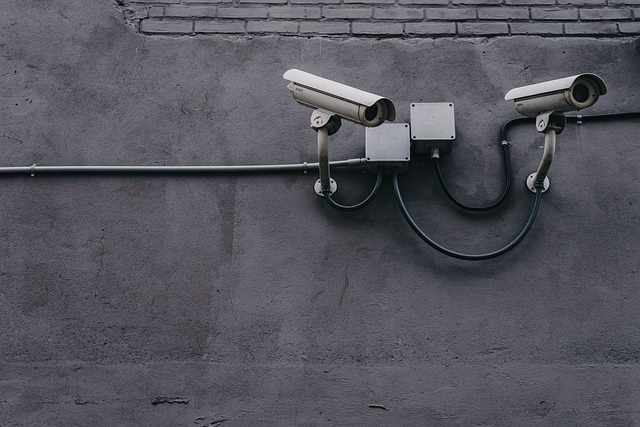
Combines alarm systems with CCTV to visually verify incidents and improve response accuracy.
Alarm Monitoring for Homes and Businesses
Residential Alarm Monitoring
Homeowners rely on alarm monitoring to protect family members, valuables, and property from theft or emergencies.
Commercial Alarm Monitoring
Businesses use alarm monitoring to secure assets, protect employees, and ensure compliance with safety regulations.
Both environments benefit from tailored monitoring plans designed to meet specific security needs.
Choosing the Right Alarm Monitoring Provider
When selecting an alarm monitoring service, consider:
24/7 monitoring availability
Response time and escalation procedures
Communication methods (cellular, internet, backup systems)
Integration with existing security systems
Reputation and customer support
A reliable provider ensures consistent performance and quick response when it matters most.
FAQs About Alarm Monitoring
1. What is alarm monitoring used for?
Alarm monitoring is used to detect security threats and ensure immediate response from a monitoring center or emergency services.
2. Is alarm monitoring better than unmonitored alarms?
Yes, monitored alarms provide active response, while unmonitored alarms rely solely on occupants or nearby individuals.
3. Can alarm monitoring work during power outages?
Most systems include battery backup and cellular communication to remain operational during outages.
4. How quickly do monitoring centers respond?
Response times vary but are typically within seconds of receiving an alarm signal.
5. Can alarm monitoring be customized?
Yes, monitoring plans can be tailored to include intrusion, fire, environmental, or video monitoring.
Conclusion
Alarm monitoring is an essential layer of security that transforms alarm systems into proactive protection solutions. By providing 24/7 supervision, rapid response, and professional oversight, alarm monitoring significantly enhances safety for homes and businesses alike.



Write a comment ...